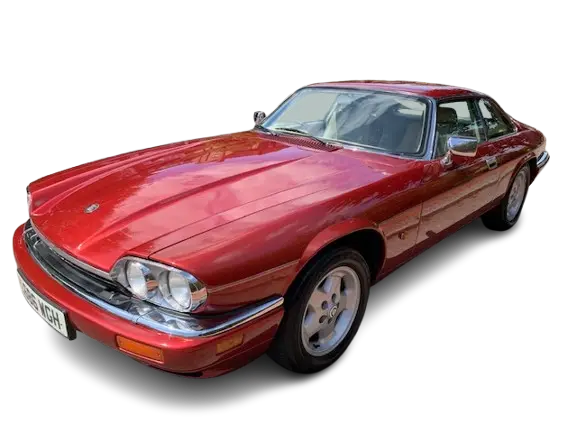
Part Exchange Versus Consignment Sale Compared

A well-kept Bentley GTC, Aston Martin, or Jaguar is rarely just another used car. Its condition, service history, specification, and provenance can materially affect its appeal and value. That is why the choice between part exchange versus consignment sale deserves more thought than simply accepting the first figure offered.
Both routes can be right. A part exchange is usually the sensible choice when you want a straightforward change of vehicle and a known outcome. Consignment can suit an owner prepared to wait for the right buyer in pursuit of a stronger return. The better option depends on your priorities: speed, convenience, control, and the realistic market value of the car.
Part exchange versus consignment sale: the key difference
With a part exchange, a dealer agrees a value for your current vehicle and applies it against the purchase price of another car. The transaction is direct. You hand over one vehicle, take delivery of the next, and the dealer assumes the responsibility of preparing, marketing, and selling your former car.
A consignment sale works differently. You appoint a specialist to sell the car on your behalf. The vehicle is professionally presented, advertised, shown to prospective buyers, and handled by the dealership, but you remain the owner until a buyer completes the purchase. Once sold, the agreed commission, preparation costs, and any other approved charges are deducted from the sale proceeds.
Neither arrangement is automatically more profitable or more convenient. They serve different needs, and the important detail is not the headline price alone. It is the net outcome, the time involved, and the level of responsibility you are happy to retain.
When part exchange makes the most sense
Part exchange is built around certainty. Once a value has been agreed and the condition of the vehicle has been confirmed, you know exactly where you stand. This is particularly useful when you have found a desirable replacement car and do not wish to risk losing it while waiting for your current vehicle to sell privately or through consignment.
For many owners, the practical benefit is as valuable as the financial one. There is no need to arrange viewings, deal with speculative inquiries, negotiate with buyers who may not understand specialist cars, or manage payment and collection. A reputable specialist will assess the car carefully, account for its preparation needs, and make a clear offer based on the current market.
A part-exchange value will generally be lower than a private retail asking price. That difference is not simply dealer margin. The buying dealer takes on the cost and risk of inspection, servicing, detailing, repairs, warranty exposure where applicable, marketing, stock finance, and the possibility that demand shifts before the car is sold.
This route is often particularly attractive for an owner moving from one prestige British car to another. If you are trading a Bentley Continental GTC toward a different model, for example, a specialist who understands the marque can assess both cars properly. Desirable options, roof operation, service evidence, tire condition, trim wear, and known model-specific issues should all be considered rather than reduced to a generic online valuation.
The part-exchange questions worth asking
Ask whether the figure is subject to a physical inspection and whether it reflects any faults already discussed. Clarify whether the dealer has allowed for all accessories, keys, books, and service records, as these can affect desirability. Most importantly, compare the overall changeover cost, not just the allowance for your current car.
A dealer could offer a very strong trade-in figure while holding firm on the replacement vehicle, or offer a modest trade-in figure alongside a competitive sale price. The amount you pay to change is what matters.
When a consignment sale may be better
Consignment is often the more suitable route when the car has qualities that need to be explained and properly presented to achieve its value. A low-mileage Aston Martin with an excellent history file, an unusual Bentley color combination, or a carefully restored Jaguar can appeal strongly to the right buyer, but may not receive its full attention in a quick trade valuation.
A specialist consignment service gives the car a retail platform without leaving you to run the sale yourself. The dealer can arrange preparation, photography, advertising, buyer screening, viewings, finance conversations where relevant, and handover. Buyers also tend to feel more confident when a car is represented by a knowledgeable business that can answer detailed questions and inspect the vehicle before offering it for sale.
The potential advantage is a higher net return than part exchange, particularly for an unusually well-specified, low-mileage, or carefully maintained example. However, this is never guaranteed. A realistic price remains essential. Even an exceptional car must be positioned sensibly against comparable vehicles available at the time.
Consignment requires patience. The car may sell quickly, but specialist vehicles often wait for a buyer who understands exactly what they are looking at. While it is being marketed, the vehicle may need to remain available for viewings and should not accumulate avoidable mileage or suffer deterioration from lack of use.
Agree the consignment terms before the car is advertised
A proper consignment agreement should state the target asking price, the minimum figure that requires your approval, the commission arrangement, and any preparation or storage costs. It should also confirm how long the agreement will run and what happens if you decide to withdraw the vehicle from sale.
Be clear about authority to negotiate. A good dealer should protect your agreed position while retaining enough flexibility to have a credible conversation with a serious buyer. It is also sensible to establish who holds the vehicle, how it is insured, whether test drives are supervised, and how sale proceeds are handled after completion.
The strongest consignment relationships are transparent. You should receive honest feedback on buyer interest, market response, and any reason a price adjustment may be advisable. Silence and an unchanged asking price are not a sales strategy.
Condition and presentation affect both routes
Whether you part exchange or consign, preparation matters. A car with a complete service file, both keys, working electrical systems, clean wheels, sound tires, and a tidy interior gives a specialist more confidence. It also makes a better impression on the next owner.
There is no value in concealing faults. Known issues with a convertible roof, warning light, air suspension, battery drain, paintwork, or infotainment system should be disclosed from the start. Clear information allows the dealer to price the car accurately and decide whether repair work will add more value than it costs.
This is where a business with restoration and repair capability can be useful. Minor cosmetic work, proper detailing, wheel refurbishment, servicing, or targeted mechanical repairs may improve marketability. Yet not every job pays for itself. On an older prestige car, originality, sensible maintenance, and a documented history are often more persuasive than expensive work undertaken solely to chase an unrealistic price.
How to choose the right route for your car
Start with the result you need rather than the maximum advertised figure you hope to see. If you want to move into another car promptly, avoid uncertainty, and know your exact changeover cost, part exchange is usually the stronger option. It is efficient, controlled, and removes the burden of selling.
If you do not need an immediate replacement and believe your vehicle has genuine qualities that deserve a retail audience, consignment may justify the additional time. It can be especially effective for cars with exceptional provenance, rare specifications, low ownership, or recent specialist work that a knowledgeable buyer will value.
Also consider the current market. Some models are liquid and easy to value, making part exchange highly practical. Others have a narrower audience, where a specialist dealer’s reputation, contacts, and careful presentation can make a meaningful difference. An honest appraisal should include both the likely trade figure and the likely retail outcome after costs, rather than promising the best of both worlds.
For owners in North London, Hertfordshire, and surrounding areas, Tedella Ltd can assess suitable part exchanges or discuss a managed consignment sale, with vehicle pickup arranged where appropriate. With more than 25 years of hands-on experience in prestige British cars, the focus is on a realistic route that respects the vehicle and your time.
The right sale method should leave you confident that your car has been valued on its merits, handled properly, and moved on in a way that suits your next chapter of ownership.