Classic Car Repairs Hertfordshire Owners Trust
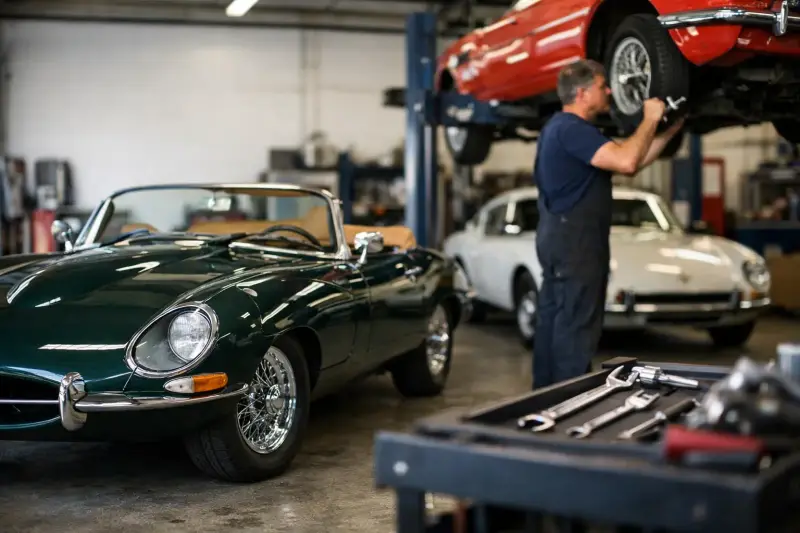
A classic Bentley that develops an intermittent electrical fault, an Aston Martin with tired suspension, or a Jaguar showing early corrosion needs more than a quick repair. For classic car repairs Hertfordshire owners can rely on, the priority is to identify the real cause, protect original character where possible, and make repairs that stand the test of regular use.
Prestige British cars reward careful ownership. They also demand a workshop that understands how their systems, materials, and values differ from modern everyday vehicles. The right repair can preserve a car’s driving character and market appeal. The wrong one can create further faults, compromise originality, and cost more to put right later.
What specialist classic car repairs should involve
Classic and modern-classic vehicles are not all alike. A 1960s British sports car, a coachbuilt saloon, and an early Bentley Continental GTC have very different engineering, parts requirements, and common weaknesses. Yet the same principle applies to each: diagnosis must come before replacement.
A specialist should assess the vehicle as a complete system, rather than simply fitting parts around the visible symptom. A rough-running engine may be caused by ignition timing, fuel delivery, vacuum leaks, a failing sensor, or a problem introduced during a previous repair. A warning light on a 2005 to 2020 Bentley may require informed electronic diagnosis, but the result still needs to be interpreted by someone who knows the car and its usual failure points.
This approach avoids unnecessary expense and prevents the familiar cycle of replacing one component after another without curing the underlying issue. It also gives the owner a clear understanding of what is urgent, what can be monitored, and what would be sensible to address while the vehicle is already in the workshop.
Mechanical work that respects how the car was built
Mechanical repairs should improve reliability without stripping a vehicle of its proper feel. Braking, steering, suspension, cooling, transmission, and engine work must be completed with the car’s intended use in mind. A car driven for weekend touring has different needs from one prepared for concours display or long-term collection.
For example, a suspension refresh can transform confidence and comfort, but not every classic benefits from the stiffest available bushes or aftermarket components. The best specification depends on the model, the condition of the existing parts, and how the owner wants to use it. On a prestige convertible, preserving refinement and ride quality can be just as important as sharper response.
Good repair work also includes the unglamorous essentials: correct fluid specifications, secure routing of hoses and wiring, suitable fasteners, and careful adjustment after assembly. These details are often what separate a dependable repair from a short-lived fix.
Electrical and diagnostic expertise matters
Electrical faults are among the most frustrating issues for classic and early modern prestige cars. Poor earth connections, aging insulation, corroded terminals, aftermarket accessories, water ingress, and tired modules can produce faults that appear and disappear without warning.
A proper investigation starts with battery condition, charging performance, grounds, fuse protection, and wiring integrity. On later vehicles, diagnostic equipment is useful, but fault codes are not a repair plan on their own. They must be checked against live data, known model concerns, and a physical inspection.
This is particularly relevant for Bentley GTC convertibles, where comfort systems, roof mechanisms, electronics, and complex trim all need to work together. Replacing modules at random is expensive. Methodical testing protects both the car and the owner’s budget.
Classic car repairs in Hertfordshire: corrosion, bodywork, and trim
Hertfordshire roads may be ideal for enjoying a cherished car, but damp storage, winter salt, and infrequent use can take their toll. Corrosion rarely begins where it is easiest to see. It often starts in wheel arches, sills, floor sections, chassis seams, suspension mounting points, drainage channels, and behind trim.
Early intervention is almost always the better value. Treating a small blister, correcting a blocked drain, or repairing a localized section of metal can prevent a much larger restoration later. Once rust reaches structural areas or spreads beneath paint, the scope of the work changes quickly.
Body repairs should be planned around the vehicle, not rushed to meet a generic production target. That means assessing the full affected area, carrying out sound metalwork, preparing surfaces correctly, and matching paint with care. A prestige vehicle deserves panels that fit properly, consistent shut lines, and finishes that do not look out of place beside original paintwork.
Interior and hood work deserve the same respect. Worn leather, loose veneers, fading carpets, and tired convertible tops can diminish the enjoyment and value of an otherwise sound vehicle. Sometimes conservation is preferable to replacement, especially where original materials remain serviceable. In other cases, a sympathetic refurbishment is the most practical way to return the cabin to the standard the car deserves.
Parts sourcing is part of the repair
The availability of parts varies widely. Some service items remain readily available, while trim pieces, model-specific electronics, roof components, and discontinued fittings may require patient sourcing. This is where a specialist’s experience and network become valuable.
Original equipment parts are often the first choice when available and sensibly priced. However, a high-quality remanufactured or upgraded component can sometimes offer better reliability without harming the character of the car. The key is transparency. Owners should know whether a part is original, new old stock, remanufactured, or an approved alternative, and why it has been selected.
There is no benefit in fitting a cheaper part that is known to fail early or does not fit correctly. Equally, not every repair calls for the most expensive option. A trusted specialist will explain the trade-off between authenticity, longevity, cost, and the vehicle’s future plans.
When a repair becomes a restoration decision
Not every fault justifies a full restoration. A well-preserved car may need selective mechanical recommissioning, paint correction, interior repairs, and routine preventive work rather than a complete strip-down. Keeping sound original material can be better for both authenticity and value.
Conversely, a car with neglected mechanical systems, concealed corrosion, poor previous repairs, or a tired interior may benefit from a more comprehensive program. The decision should be based on inspection, intended use, and realistic budget, not simply on appearances.
A sensible workshop will prioritize safety and structural integrity first, then reliability, then cosmetic improvement. This allows owners to make informed decisions rather than committing to work without a clear plan. Detailed communication is especially valuable for collectors managing more than one vehicle or owners preparing a car for sale, part exchange, or regular summer use.
Choosing the right specialist
Look for a business with practical experience of your marque, a willingness to inspect before quoting, and a clear approach to parts and workmanship. Photographic records during major work are useful, particularly for body, chassis, and restoration projects. They provide reassurance and create a valuable record for the vehicle’s history file.
Personal service also matters. Classic ownership is rarely transactional. You may need advice on recommissioning after storage, preparing for an inspection, resolving a persistent fault, or deciding whether to repair, restore, sell, or part exchange. A specialist who understands the wider ownership journey can give better guidance than a general repair outlet.
With more than 25 years of hands-on experience in prestige British cars, Tedella Ltd approaches repair and restoration with that long-term view. Pickup can be arranged for owners in North London, Hertfordshire, and surrounding areas when a vehicle is not suitable to drive to the workshop.
The best time to arrange a professional inspection is before a small concern becomes a missed season of motoring. Address the unusual noise, warning light, damp carpet, reluctant roof, or uneven running now, and your classic can remain what it should be: a car to enjoy with confidence.