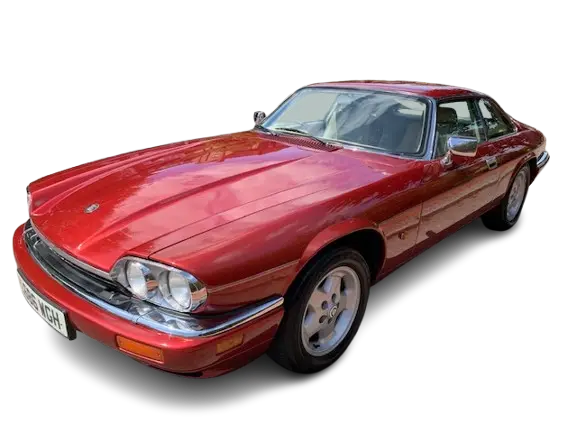
How to Prepare Your Car for Part Exchange

A well-kept Bentley GTC, Aston Martin, or Jaguar tells its story before the engine is even started. The service history, the condition of the cabin, the way the roof operates, and the quality of previous work all influence confidence in the car. To prepare a car for part exchange properly, focus on presenting that story clearly and honestly rather than trying to make an older prestige vehicle appear perfect.
A thoughtful approach can make an appraisal quicker, reduce uncertainty, and help a specialist recognize the genuine value in your car. It also helps you decide which jobs are worth completing before you change vehicles and which are better discussed openly.
How to Prepare a Car for Part Exchange
Part exchange is not the same as selling privately. A specialist is assessing the car’s condition, provenance, desirability, likely preparation requirements, and current market position. They must also allow for inspection, servicing, warranty exposure where applicable, and the time involved in finding the right next owner.
That does not mean your vehicle needs to be showroom fresh. In fact, expensive cosmetic work completed solely for a sale may not return its full cost. The objective is to remove avoidable doubts. A clean, well-documented car with an accurate account of its faults is often more appealing than one that has been hurriedly prepared with little evidence of proper ownership.
Start preparing a few weeks before you intend to exchange the car. This gives you time to find paperwork, arrange sensible maintenance, and avoid decisions made under pressure.
Put the Paperwork in Order First
For heritage and prestige cars, a strong file matters. Buyers of Bentley, Aston Martin, and Jaguar models want reassurance that the vehicle has been cared for by people who understand it. Receipts are especially useful because they show not only what was spent, but who carried out the work and when.
Bring together the following before requesting a valuation:
- Registration document or vehicle title documentation, plus proof of identity and current address
- Service book, workshop invoices, MOT or inspection records, and maintenance receipts
- Documentation for major repairs, replacement parts, restoration, or specialist upgrades
- All available keys, fobs, charging leads, locking wheel nut keys, and remote controls
- Finance settlement information if there is outstanding borrowing against the vehicle
Organize invoices by date if possible. A thick folder is helpful, but a clear timeline is better. For example, records showing regular servicing, battery replacement, tire dates, brake work, roof repairs, or suspension attention give an appraiser a much firmer basis for a valuation.
If paperwork is missing, do not attempt to fill the gaps with assumptions. Explain what you know, what you do not know, and whether there are previous owner records or digital service entries that may support the history.
Address the Straightforward Presentation Jobs
A proper clean is worthwhile because it allows the vehicle to be inspected accurately. Wash the exterior carefully, clean the wheels, vacuum the carpets, remove personal items, and clear the trunk. Avoid heavy silicone dressings or overly scented products. They can make a car look temporarily polished while concealing the condition a specialist needs to see.
Pay attention to areas that are easily overlooked: the convertible roof and its drains, door shuts, seat bolsters, luggage compartment, glass, and dashboard displays. Remove old parking permits, phone mounts, and loose accessories unless they are original to the car.
Check that basic items are present and working. Inflate the tires to the correct pressure, top up fluids where appropriate, and ensure the car has enough fuel for a road test. If a warning light is illuminated, do not simply clear it. Find out why it is on, retain the diagnostic report if one is obtained, and disclose it at appraisal.
Decide Which Repairs Are Worth Doing
The right preparation depends on the car, the fault, and the likely cost of repair. A recent oil service, a weak battery, worn wiper blades, or a small lighting fault may be sensible to address because these items affect the first impression and can delay a sale. A known mechanical issue that prevents a proper test drive should also be discussed with a specialist before arranging an appointment.
More significant work needs judgment. A Bentley GTC with an intermittent roof concern, suspension warning, or electrical issue may require marque-specific diagnosis. A rushed repair by a general workshop can cost more than it adds to the car’s value, particularly if it creates an unclear history or uses unsuitable parts.
The same applies to paintwork and interior restoration. A carefully repaired scuff or damaged trim piece can improve presentation. Full repainting, retrimming, or major refurbishment purely to trade the car may not be the best financial decision unless the work is already necessary for preservation. Request advice first, then make the decision with realistic figures in mind.
Preserve Originality and Explain Modifications
Original specification is often an advantage in the prestige and collector market, but tasteful upgrades are not automatically a problem. What matters is quality, suitability, and documentation. Retain original wheels, exhaust components, audio equipment, or trim where possible, particularly if the fitted alternatives are a matter of personal taste.
Be prepared to explain any modifications. A specialist will want to know who completed the work, whether the parts are reversible, and whether the vehicle has been tuned or altered mechanically. Clear information is far more useful than trying to make a modification disappear from the conversation.
Be Direct About Known Faults
A good part exchange depends on trust. Mention cold-start smoke, air-conditioning issues, roof leaks, intermittent warning lights, damaged paint, non-functioning accessories, or any history of accident repairs. A specialist will usually identify the concern during inspection, and early disclosure makes the discussion more straightforward.
Honesty also protects you from disappointment. If a valuation has been based on a full description of the vehicle, there is less risk of a significant change when the car is seen in person. Provide recent photographs in good light, including any areas of damage, rather than only sending flattering angles.
Set Realistic Expectations on Value
A private-sale figure is not a part-exchange figure. Private selling can produce a higher headline price, but it requires advertising, viewings, negotiation, payment checks, and responsibility for preparation. Part exchange offers convenience, a single transaction, and the ability to move directly into your next car.
Market value also varies with season, mileage, service history, specification, color combination, and demand for a particular model. A desirable convertible with documented care may command strong interest, while a lower-priced car requiring major work may still be attractive to the right restoration-minded buyer. The key is to assess the complete package, not just the odometer reading or an online price guide.
Make the Appointment Productive
Have the car accessible, clean, and ready to start from cold if possible. Bring the documents, keys, and details of any finance agreement. Allow time for a proper walk-around and road assessment rather than expecting an instant number from a brief glance.
For owners in North London, Hertfordshire, and surrounding areas, pickup can be arranged where appropriate. This can be particularly useful for a car that is not currently road-ready, although an accurate description of its condition remains essential.
With more than 25 years of hands-on experience in prestige British cars, Tedella Ltd understands that a vehicle’s value is found in the details: its condition, its history, and the care invested by its owner. Present those details openly, and your part exchange becomes the beginning of the next enjoyable chapter in ownership.