Top Classic Jaguar Investment Models Worth Buying
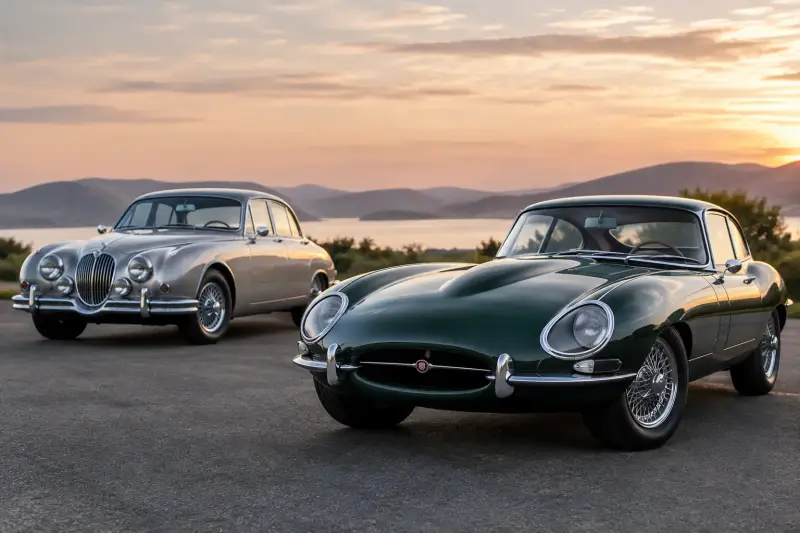
A Jaguar can be a memorable place to put motoring money, but only when the car has been chosen on its merits rather than its badge. The top classic Jaguar investment models combine enduring design, strong enthusiast support, usable performance, and a history that buyers can verify. The wrong example, however, can turn an appealing purchase price into a substantial restoration bill.
For most collectors, condition and provenance matter more than chasing the rarest specification. A well-maintained Jaguar with a known history, correct details, and sound structure will usually be easier to enjoy and easier to sell than a neglected “project” with a tempting story. This is particularly true of British classics, where corrosion, deferred maintenance, and poor past repairs can quickly outweigh a model’s market appeal.
What Makes a Classic Jaguar a Good Investment?
Jaguar has produced many desirable cars, but investment potential is not simply a matter of age. The strongest cars have a clear place in the marque’s history and remain attractive to more than one kind of buyer: the serious collector, the weekend driver, and the enthusiast who has wanted one since new.
Originality is a major consideration. Factory-correct colors, matching-numbers engines, original interiors, and documented ownership all support value. Sensible upgrades do not automatically harm a car, especially if they improve safety or reliability and can be reversed. Yet a heavily modified car is a narrower proposition when the time comes to sell.
The cost of putting a Jaguar right must also be considered before purchase. Mechanical work on a well-supported model can be manageable. Structural corrosion, incorrect panel fit, tired chrome, and a poor-quality repaint are far more expensive problems. A detailed inspection is therefore a sensible part of buying, not an inconvenience.
Top Classic Jaguar Investment Models to Consider
Jaguar E-Type Series 1 3.8 and 4.2
The E-Type remains the obvious starting point because its appeal has never depended on fashion. Series 1 cars, particularly the early 3.8-liter versions, command the strongest attention thanks to their covered headlights, simpler cabin design, and close connection to the original 1961 launch car. The later 4.2-liter Series 1 is often the more usable choice, with improved torque and a more accommodating gearbox.
Roadsters tend to attract the highest prices, but a fixed-head coupe can represent better value for an owner who intends to drive regularly. The 2+2 is less prized by purists, although it offers more space and can be an intelligent entry point if purchased correctly.
The crucial issue is the body shell. E-Types rust in their sills, floors, bonnet structure, bulkhead, rear suspension mounting points, and numerous hidden seams. Restoring one properly is specialist work. Buy the best structural example your budget allows, even if it costs more initially, and look closely at evidence of any previous restoration.
Jaguar XK120, XK140, and XK150
The XK models have a special importance in Jaguar history. Their twin-cam six-cylinder engine established the engineering reputation that later carried into the E-Type, while their flowing bodies deliver a more traditional 1950s driving experience. An XK is not simply a static collector car. In good order, it is capable, charismatic, and welcome at events around the world.
The XK120 is generally the most sought after, especially as an open two-seater, but the XK140 and XK150 deserve careful consideration. They are often more practical on modern roads and can offer a lower purchase price relative to their quality. Fixed-head and drophead coupes broaden the choice for buyers who value weather protection and touring comfort.
Authenticity matters greatly here. Verify chassis, engine, and body numbers, and be cautious around cars with vague competition histories or incomplete restoration records. A properly restored XK can be expensive, so an honest, well-documented car often represents better value than an outwardly immaculate example with little paperwork.
Jaguar Mark 2 3.4 and 3.8
The Mark 2 has a loyal following for good reason. It is one of the most recognizable sporting sedans of its era, blending polished wood, leather, and a lively straight-six engine with genuine family-car practicality. The 3.8-liter manual-overdrive version is the collector favorite, though a sound 3.4 can be an excellent and enjoyable alternative.
These cars appeal to buyers who want to use their classic Jaguar rather than reserve it for dry Sundays. They are comfortable enough for touring, offer room for passengers, and have a broad specialist parts network. That usability supports their long-term desirability.
As with most Jaguars of this era, inspect the structure carefully. Rust can appear in the front suspension mounts, inner and outer sills, door bottoms, wheel arches, floors, trunk floor, and rear spring mountings. Check that doors shut cleanly, panel gaps are consistent, and the car drives straight. A tired automatic transmission should not rule out a purchase, but it must be reflected in the price.
Jaguar XJS V12 and 4.0-Liter
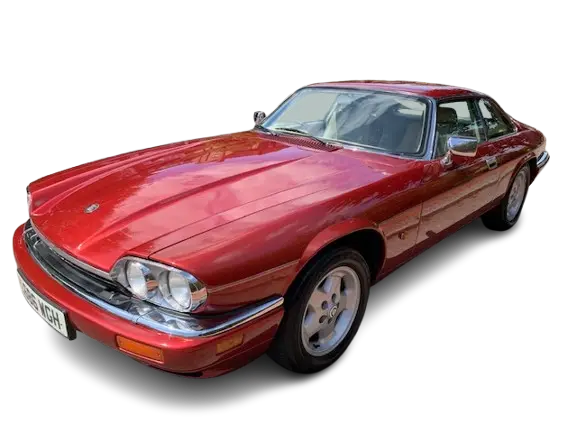
For many years, the XJS was undervalued because buyers focused on its reputation rather than its strengths. That has changed. Good cars are now appreciated for their long-distance comfort, distinctive design, and place as Jaguar’s grand touring flagship through much of the 1970s, 1980s, and 1990s.
Early V12 coupes have the greatest historical appeal, while the later facelift cars are often easier to live with. The 4.0-liter six-cylinder models are particularly sensible for buyers who want Jaguar style with simpler ownership. Convertible examples attract strong demand, provided the hood mechanism, seals, and body condition are right.
An XJS should be bought on maintenance history. Cooling-system health, fuel-injection condition, electrical repairs, suspension bushes, and corrosion prevention are all more relevant than a low odometer reading alone. A V12 that has been serviced by knowledgeable hands can be rewarding. One that has been neglected can consume a restoration budget very quickly.
Jaguar XJ6 Series I and Series III
A well-preserved XJ6 offers a great deal of classic Jaguar character for the money. The Series I is prized for its clean original design, while the Series III has a more formal appearance and benefits from later development. Both deliver the graceful ride, wood-and-leather cabin, and straight-six refinement that made Jaguar sedans famous.
They are unlikely to match E-Type values, and that is precisely why a buyer should be selective. The best cars are original, rust-free, and supported by invoices showing regular maintenance. Fuel-injected Series III examples can make particularly agreeable weekend or touring cars, with better drivability than earlier carbureted versions.
Avoid buying solely because the initial price seems low. Repairs to bodywork, air conditioning, electrical systems, interior trim, and suspension can soon exceed the value of an average car. The right XJ6 is an ownership-led investment: buy a superb one, maintain it carefully, and its desirability should remain secure.
How to Buy With Confidence
Before agreeing a purchase, establish exactly what you are buying. Confirm the identity numbers against the paperwork, examine service and restoration invoices, and ask who carried out the work. Photographs from a restoration are valuable because they show what was found beneath paint and trim.
A proper road test should reveal more than engine performance. Watch the temperature gauge, listen for driveline noise, test brakes repeatedly, and make sure the gearbox, steering, gauges, windows, and heating all operate as they should. On a classic Jaguar, several small faults can point to a larger pattern of neglect.
It is also wise to budget for ownership from the outset. Even an excellent car will need fluids, tires, brake attention, and periodic specialist care. Storage matters just as much. A dry, ventilated garage and regular use are kinder to a Jaguar than years of inactivity under a cover.
Tedella Ltd brings more than 25 years of hands-on experience to sourcing, part exchange, repair, and restoration of prestige British cars. For buyers in North London, Hertfordshire, and surrounding areas, a specialist assessment before purchase can protect both the pleasure of ownership and the capital tied up in the car.
The best Jaguar investment is usually the one you will be proud to keep. Choose a model with a strong following, insist on structural quality and credible history, then maintain it to the same standard. That approach leaves you with something more valuable than a market figure: a great British car that remains a pleasure every time the garage door opens.