Jaguar Restoration That Protects Lasting Value
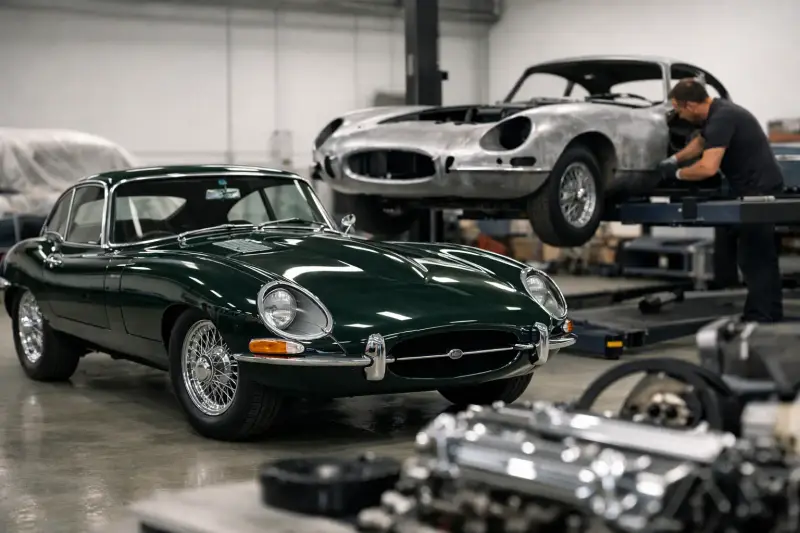
A Jaguar can look complete from across a showroom and still conceal decades of poor repairs, trapped moisture, tired wiring, and worn mechanical components. Proper Jaguar restoration starts by finding the truth beneath the paint, trim, and polished chrome. The aim is not simply to make an old car look new. It is to preserve the character, integrity, and driving pleasure that made the car worth saving in the first place.
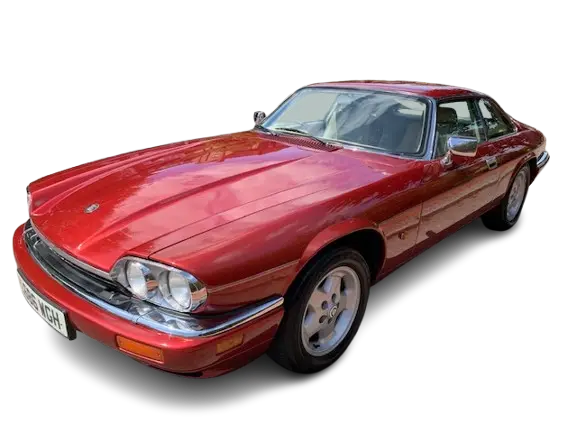
For an E-Type, XK, Mk2, early XJ, or distinctive Daimler-based Jaguar, the right approach depends on the car’s condition, history, rarity, and intended use. A concours-level rebuild is right for some cars, but not every owner needs or benefits from one. A well-planned restoration should protect value while giving the owner confidence to enjoy the car on the road.
Jaguar Restoration Begins With an Honest Inspection
The first stage should be a detailed condition assessment, not a quotation based on photographs alone. Paint can disguise corrosion, and a smart interior can distract from serious structural deterioration. On unit-bodied Jaguars in particular, corrosion in sills, floors, suspension mounting points, jacking points, bulkheads, and front frames can have a major effect on both safety and cost.
A specialist inspection looks beyond the obvious. It considers panel alignment, previous welding quality, signs of accident damage, the condition of brightwork, engine and transmission operation, brake performance, suspension wear, electrical reliability, and the completeness of the car. Missing original parts are not always a problem, but sourcing the right replacements can add significant time and expense.
Documentation deserves the same attention. Service records, old registration documents, factory information, photographs, and invoices help establish a car’s story. They may also reveal matching-number components, original colors, and previous restoration work. For a collector-grade Jaguar, this evidence can be as important as the quality of the finished paintwork.
An honest assessment sometimes leads to a difficult conversation. A car with extensive rust, poor previous repairs, or missing major components may require more investment than its market value supports. That does not mean it should be abandoned. Sentimental value and long-term ownership plans matter. It does mean the owner should make the decision with clear eyes and a realistic budget.
Decide What the Finished Jaguar Must Do
Before dismantling begins, define the purpose of the car. Will it be shown, driven regularly on weekends, used for touring, or retained as an investment? These goals shape almost every restoration choice.
A concours restoration places great weight on period-correct finishes, original specifications, accurate fasteners, and factory details. It can be highly rewarding, particularly for rare and significant cars, but it is demanding and expensive. The owner may also be less inclined to use the car freely once it is complete.
A high-quality usable restoration is often the better route for owners who want to drive. This approach keeps the Jaguar visually authentic while allowing sensible upgrades where they improve safety, comfort, or dependability. Improved cooling, discreet electronic ignition, alternator conversions, better brake components, modern tire construction, and carefully installed air conditioning can make a classic Jaguar far more enjoyable in modern traffic.
The key is restraint. Modifications should be sympathetic, properly engineered, and documented. A reversible upgrade is usually easier to defend than a permanent alteration that changes the character of the car. The right answer depends on the model and the owner. A modified touring E-Type and a highly original early XK should not be treated in the same way.
Bodywork Is Where Costs Are Won or Lost
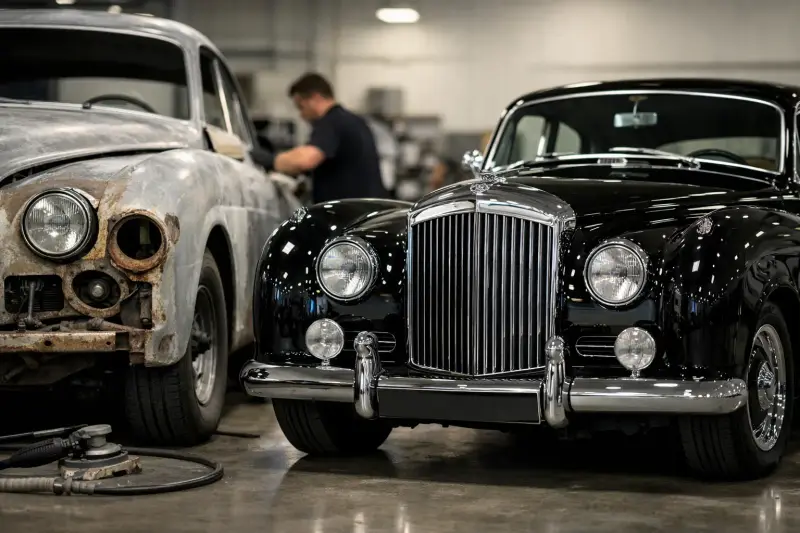
Paint is the most visible part of a restoration, but it should be one of the last major stages. Fine paint over poor metalwork is a costly illusion. Once a Jaguar is stripped, the true scale of corrosion and previous repairs becomes clear, and this is where a restoration budget can change quickly.
Good metalwork begins with careful dismantling and accurate support of the shell or chassis. Rusted sections should be repaired properly rather than covered with filler or patched over weak metal. Replacement panels must fit correctly, but panel availability does not remove the need for skilled fabrication. Doors, bonnet, trunk lid, wings, and brightwork all need to align as the structure is rebuilt.
A Jaguar with crisp panel gaps and sound foundations will always feel more convincing than one with glossy paint alone. The finish should suit the car’s history and purpose. Original colors are often best for long-term value, especially on desirable models, although a period-correct alternative may be appropriate if the car’s history supports it.
Chromework, stainless trim, lamps, badges, wire wheels, and rubber seals deserve proper planning as well. These details can be expensive to restore and frustrating to source at the end of a project. Keeping, labeling, and photographing every component during disassembly prevents unnecessary loss and helps retain originality.
Mechanical Work Should Deliver Confidence, Not Just Movement
A Jaguar engine that starts and idles is not necessarily a healthy engine. Compression, oil pressure, cooling performance, fuel delivery, timing, exhaust condition, and road behavior all need evaluation. Whether the car has an XK straight-six, a V12, or a later engine, the restoration should address the systems around it rather than treating the engine in isolation.
Cooling is especially important. Overheating can turn an otherwise enjoyable classic into a car that remains parked. The radiator, water pump, hoses, fan arrangement, thermostat, and engine condition should be considered as one system. A rebuilt engine without a properly restored cooling system is an incomplete solution.
Suspension, steering, brakes, driveline, and tires matter just as much as power. Jaguars are admired for their ride and handling when correctly set up. Worn bushes, tired dampers, seized calipers, poor wheel alignment, or degraded subframe mounts can make a good car feel vague and unsettled. A thorough restoration should return the car’s composure as well as its appearance.
Electrical work is another area where shortcuts cause lasting problems. Brittle wiring, corroded connectors, poor grounds, and improvised repairs can lead to unreliable starting, faulty gauges, and even fire risk. Repairing or replacing harness sections neatly, with correct routing and sensible protection, makes future maintenance much easier.
Protect Authenticity Without Making the Car Fragile
Originality has value, but originality and usability are not enemies. A truly original component that is worn beyond safe operation may belong in the history file rather than on the road. Equally, replacing every old part with a modern reproduction can erase the details that give a Jaguar its identity.
The best restorations make deliberate decisions. Preserve sound original trim where possible. Rebuild original mechanical components when practical. Use quality replacement parts where safety, reliability, or preservation demands it. Keep a photographic record of the process and retain invoices for significant work. Future buyers, insurers, and specialists will appreciate the evidence, and so will the owner when maintenance is required years later.
Interior work calls for the same discipline. Leather, wood veneer, carpets, hood materials, instruments, and switchgear create much of the Jaguar experience. A fresh interior should feel correct, not merely expensive. Grain, stitching, piping, veneer pattern, hardware finish, and fit all matter. A sympathetic refurbishment can be preferable to replacing every surface, particularly on a car with an attractive and honest patina.
Choose a Specialist Who Can Manage the Whole Project
Restoration projects suffer when bodywork, paint, mechanics, trim, and parts sourcing are treated as separate jobs with no central plan. A specialist should be able to explain the sequence of work, identify likely cost risks, agree priorities, and communicate clearly when new issues are found.
Ask how the car will be documented during disassembly, what happens if hidden corrosion appears, whether original parts will be retained, and how parts decisions will be approved. It is also sensible to discuss staged restoration. Some owners choose to make the car structurally sound and mechanically reliable first, then return for cosmetic work later. This can be a practical route when budget or time is limited, provided the initial work is not compromised.
With more than 25 years of hands-on experience in prestige British cars, Tedella Ltd understands that each Jaguar deserves an individual plan rather than a standard package. For owners in North London, Hertfordshire, and surrounding areas, arranged vehicle collection can remove one of the first practical obstacles to beginning a serious project.
A properly restored Jaguar should invite you to use it, not worry about it. Start with a candid inspection, set the right standard for the car and your plans, and let skilled workmanship guide every decision from the first stripped bolt to the first confident drive.