Classic Car Collection Sale With Confidence
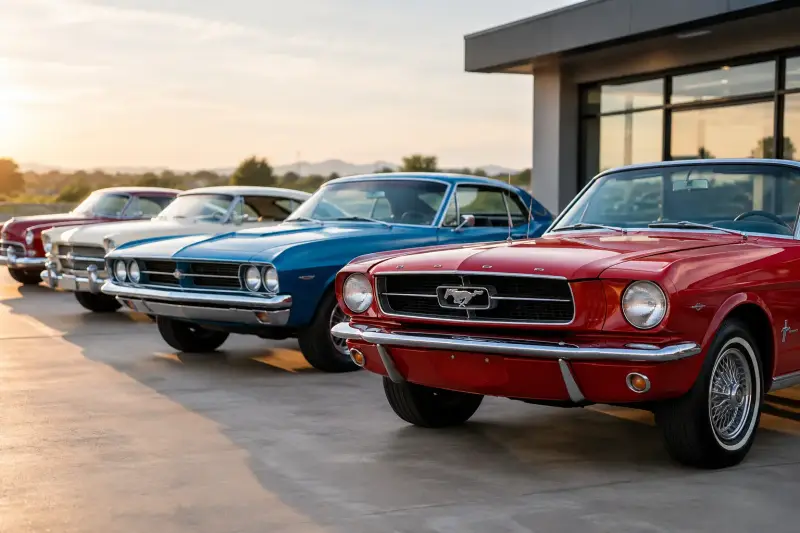
A classic car collection sale is rarely a matter of placing several cars on the market and accepting the first offers. Each vehicle may carry a different level of provenance, condition, desirability, and emotional value. The right approach protects the value built into the collection while making the sale clear, secure, and manageable for the owner.
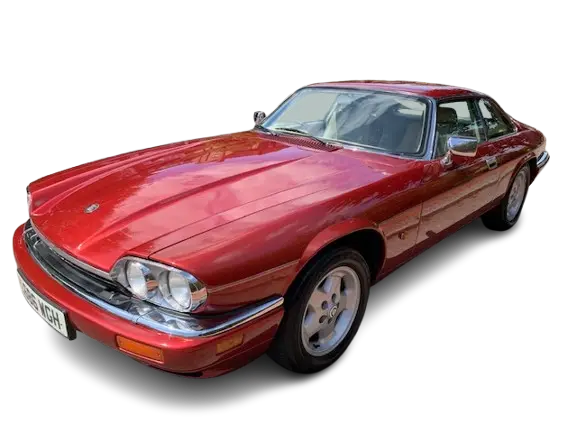
For collectors of Bentley, Aston Martin, Jaguar, and other prestige British marques, buyers will look beyond paintwork and mileage. They want to understand ownership history, maintenance standards, originality, known faults, and whether the car has been used with care. A properly prepared sale gives serious buyers confidence and puts the seller in a far stronger position to negotiate.
Decide What the Collection Sale Needs to Achieve
Before discussing values, establish the purpose of the sale. Some owners are releasing space, settling an estate, or reducing a collection that has become difficult to maintain. Others are selling several vehicles to fund one significant purchase, a restoration, or a change in collecting interests. The objective affects the best sales route.
A quick sale may be appropriate where convenience matters most, particularly if cars need recommissioning or have been standing. However, speed can come at a cost if the collection includes scarce specifications, unusually well-documented examples, or vehicles that need minor presentation work before their quality is obvious. Selling each car separately may produce a stronger overall return, but it takes time and requires more buyer communication.
There is also a middle ground. A specialist can assess the collection, purchase selected vehicles directly, and help place others with the most suitable buyers. This can reduce the burden without treating every car as a commodity.
Start With Honest, Marque-Specific Valuation
A collection is not automatically worth more because it is sold as a group. Sometimes the convenience of acquiring several cars appeals to a buyer, but collectors usually value each vehicle on its individual merits. A desirable Bentley GTC with strong history, correct specification, and sound mechanical condition will attract attention for reasons that may have little to do with the cars beside it.
An accurate valuation should consider the model year, specification, mileage, ownership record, service history, restoration quality, originality, and present mechanical needs. It should also account for market appetite. A rare color combination can either broaden appeal or narrow it, depending on the model and buyer. Modifications may improve usability, yet they can reduce interest among buyers who prefer factory-correct cars.
Be realistic about condition. A car that starts, drives, and looks presentable may still need significant work to meet the expectations of a discerning buyer. Convertible roof operation, suspension behavior, warning lights, air-conditioning performance, tire age, brake condition, and electrical accessories all matter on modern-classic prestige vehicles. Identifying these points early is better than allowing them to become last-minute reasons for a buyer to reduce an offer.
Separate Sentimental Value From Market Value
Many long-term owners have a powerful connection to their cars. That is part of classic motoring, and it deserves respect. Yet the market cannot always pay for years of personal care, memories, or money spent on improvements that do not add equivalent resale value.
The best valuations acknowledge both realities. Good maintenance and thoughtful restoration protect a car's standing, but expenditure alone does not set its price. Documentation, workmanship, correct parts, and market demand determine how much of that investment a buyer will recognize.
Build the Paperwork Before the Buyer Arrives
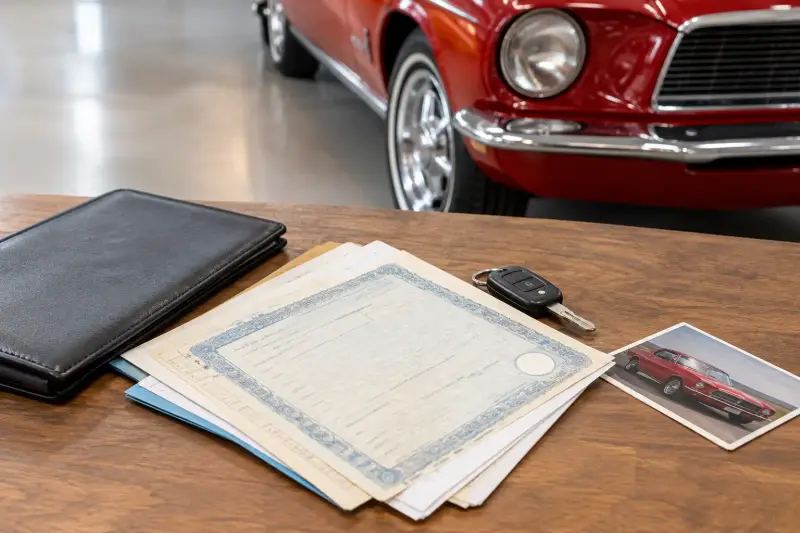
Strong paperwork often makes the difference between an interested inquiry and a committed buyer. Assemble registration documents, service books, invoices, inspection reports, prior sales records, manuals, spare keys, and correspondence relating to restoration or specialist work. Organize these materials by vehicle so they can be reviewed without confusion.
For a collection with older restorations, photographs taken during the work are particularly helpful. Buyers want evidence of what was repaired, what was replaced, and who carried out the work. A file of invoices is useful, but a clear chronology is better. It shows that the car has been cared for consistently rather than repaired only when a problem became unavoidable.
If records are incomplete, do not attempt to disguise the gap. Explain what is known, what is not known, and what can be verified through inspection. Candor builds trust, especially with experienced buyers who will notice inconsistencies quickly.
Present Cars as Cars, Not Stored Assets
A vehicle that has been kept in storage can still require considerable preparation before sale. Fluids, batteries, tires, brakes, fuel systems, seals, and electrical components may all need attention, even when mileage is low. A careful inspection can establish whether the vehicle is ready for demonstration or should be sold with clear allowance for recommissioning.
Presentation should be appropriate to the car and the expected buyer. A thorough clean, correct detailing, tidy engine bay, and professional photography are worthwhile where the underlying condition supports them. Avoid over-restoring a car simply for sale. Fresh paint or new trim may raise questions if it obscures originality or conceals work that has not been documented.
Small practical issues deserve attention. Replace missing keys where possible, charge weak batteries, ensure tires are safe, remove personal items, and make sure all supplied accessories are with the correct vehicle. These details signal careful ownership and prevent avoidable friction at handover.
Restoration Before Sale: When It Pays and When It Does Not
Restoration can make sense when a vehicle has a straightforward fault that prevents a proper assessment of its quality. Repairing a convertible roof mechanism, resolving warning lights, addressing a known cooling issue, or correcting poor cosmetic work may widen the buyer pool and protect the car's value.
A full restoration immediately before sale is a different decision. It can be worthwhile for a rare car with a clear market, but it is not guaranteed to return every dollar spent. The buyer may prefer to commission work to their own taste, or a major restoration could delay the sale significantly. An experienced specialist should advise on the work that supports value rather than simply adding cost.
Choose a Sales Route That Suits the Cars
Private sale can work well for an owner who has time, knowledge, and confidence dealing with inquiries, viewings, test drives, negotiation, and payment. It may achieve a strong price for the right example, but it also requires careful screening of potential buyers and secure arrangements for the transaction.
Auction can create momentum for exceptional, rare, or well-provenanced vehicles. It is less predictable for cars with condition questions, incomplete records, or specifications that need a knowledgeable explanation. Reserve levels, seller fees, transport, and the possibility of a no-sale result should be considered before committing.
A specialist sale provides a more personal route. The right business can inspect each car, explain its strengths honestly, arrange collection, handle part exchange where appropriate, and speak to buyers who understand the marque. For owners in North London, Hertfordshire, and surrounding areas, arranged pickup can remove a major practical concern when several vehicles are involved.
Tedella Ltd brings more than 25 years of hands-on experience with prestige British vehicles, including value-focused Bentley GTC convertibles, Aston Martin models, restoration work, and part exchange. That combination matters when a collection contains cars at different stages of readiness. One may be suitable for immediate sale, while another benefits from targeted repair or refurbishment first.
Protect the Transaction From Start to Finish
A well-run sale should be documented clearly. Agree the price, included items, condition description, payment method, collection date, and responsibility for transport before the vehicle leaves. Keep copies of all records provided, and do not release a car or title documentation until cleared funds are confirmed through a secure method.
When selling multiple vehicles, maintain a separate checklist for each one. Include keys, documents, service files, spare wheels, tool kits, covers, accessories, and any items removed for storage. This simple discipline avoids disputes and helps preserve the professional impression that serious buyers expect.
A collection represents years of choices, maintenance, and enthusiasm. Treating its sale with the same care given to its ownership will help the right cars reach the right next custodians, while giving you a fair and confident path forward.