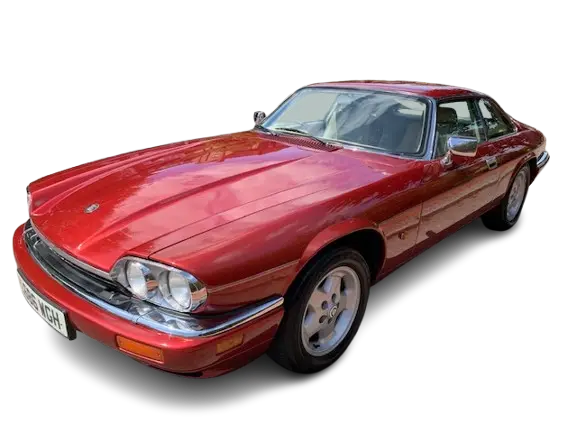
Car Consignment for Prestige British Classics

A well-kept Bentley GTC, Aston Martin, or Jaguar should not be reduced to a hurried classified listing and a stream of casual inquiries. Car consignment gives an owner a more considered route to market: the vehicle is prepared, presented, priced, and shown by a specialist who understands the marque, its condition, and the buyer it deserves.
For many owners, the decision comes at a change of circumstances. A collection is being refined, a restoration has reached its natural end, or a car is simply not receiving the use it merits. Selling privately can appear straightforward, but prestige cars bring higher expectations. Buyers want provenance, accurate condition information, proper presentation, and confidence that the car has been looked after by people who understand it.
What Car Consignment Means for a Classic Car Owner
With car consignment, the owner appoints a dealer to sell the vehicle on their behalf. The car remains the owner’s property until a sale is completed, while the dealer handles the practical work of bringing it to market. That normally includes appraisal, photography, advertising, buyer screening, viewings, negotiation, and the orderly completion of the transaction.
This differs from an outright purchase. When a dealer buys the car directly, the owner receives an agreed figure quickly and the dealer takes on the resale risk. Consignment can achieve a stronger return where the car is desirable, well documented, and not being sold under time pressure. In exchange, the owner must allow time for the right buyer to appear and should be clear on the agreed fees, asking price, and sale authority from the outset.
Neither route is automatically better. A direct purchase suits an owner who values certainty and speed. Consignment suits an owner who wants specialist representation and is prepared to wait for the market to respond. The right choice depends on the car, its history, the season, and the owner’s priorities.
Why Specialist Representation Matters
A prestige British car is rarely sold on mileage and model year alone. The details carry the value: service records, correct specification, factory options, ownership history, restoration quality, paint condition, interior wear, tire age, roof operation, and the standard of recent maintenance.
A specialist can explain those details in the language serious buyers recognize. On a Bentley GTC, for example, buyers may focus on roof operation, hydraulic systems, electronic functions, tires, service evidence, and whether the car has been used and maintained as intended. On an Aston Martin, the conversation may turn to clutch condition, transmission operation, corrosion prevention, model-specific servicing, and originality. Jaguar buyers often want reassurance around body condition, cooling, electrical systems, and the quality of any prior repair work.
That knowledge protects both sides of a sale. An owner benefits from a realistic, defensible description rather than an inflated advert that disappoints on inspection. A buyer receives a clearer view of what they are considering. The result is fewer wasted viewings and a much better chance of reaching a committed enthusiast or collector.
At Tedella Ltd, more than 25 years of hands-on experience with prestige British vehicles informs every appraisal. The same specialist understanding used for sourcing, repairs, modifications, and complete restoration is valuable when assessing how a car should be prepared and positioned for sale.
Preparing a Car Before It Is Offered for Sale
Preparation is not about disguising faults. It is about allowing an honest car to make the best possible first impression. A clean, properly functioning vehicle with organized records inspires confidence before the engine is even started.
A good consignment discussion should identify what is worth addressing before the car is advertised. Sometimes the answer is simple: a professional detail, minor trim repairs, a fresh service, or attention to a warning light. In other cases, it may be wiser to disclose an issue rather than spend heavily on work that will not be recovered in the sale price. A respected specialist should give practical advice, not automatically recommend the most expensive route.
Before consigning, gather the car’s service book, invoices, MOT or inspection records where applicable, manuals, spare keys, security codes, and details of any restoration or repair work. If the car has been stored, make sure it is assessed before marketing begins. Long periods without use can affect batteries, tires, brakes, seals, fluids, and convertible roof mechanisms, even where the vehicle looks excellent.
For a valuable or unusual car, the presentation should also reflect its identity. Original manuals, correct period accessories, factory options, and a coherent history file can all make a meaningful difference to buyer confidence. They may not transform an ordinary example into an exceptional one, but they help substantiate the asking price.
Pricing With the Right Buyer in Mind
The best asking price is not the highest number a seller hopes to see. It is a credible figure based on condition, specification, history, current market supply, and the level of preparation. A car priced too aggressively may sit unsold, prompting buyers to assume there is a problem. A car priced too low can attract quick attention but leave value on the table.
Market comparisons must be handled carefully. Two cars of the same model can be very different propositions. One may have a complete service record, a desirable color combination, recent mechanical investment, and excellent cosmetics. Another may carry deferred maintenance, incomplete paperwork, or signs of poor previous repairs. Their values should not be treated as identical simply because their registration years match.
A consignment dealer should explain the reasoning behind the valuation and agree a strategy with the owner. There should be clarity on the advertised price, the minimum acceptable figure, any room for negotiation, and whether the dealer can accept an offer without further approval. These details prevent uncertainty when a genuine buyer is ready to proceed.
Questions to Settle Before Signing a Consignment Agreement
The paperwork matters as much as the showroom presentation. A clear agreement protects the car, the owner, and the dealer by setting out the responsibilities of each party.
Ask how long the consignment period will run, what commission or preparation costs apply, and whether there are charges if the vehicle is withdrawn from sale. Confirm where the car will be stored, who is responsible for insurance, and whether test drives will be supervised. It is also sensible to establish how offers will be communicated, how payment will be handled, and when sale proceeds will be released after completion.
For cars requiring work before sale, agree the scope and cost in writing. A minor service and inspection may be sensible. A major restoration solely to improve market appeal may not be, particularly if the work exceeds what buyers are likely to value. The aim is to sell a car honestly and well, not to create expense for its own sake.
The Value of Qualified Viewings and Proper Negotiation
Private sellers often spend weeks answering messages from people who are not ready to buy. Some are researching the model, some are comparing several cars, and some simply want a weekend viewing with no intention of proceeding. A specialist dealer can qualify interest before arranging an appointment, discuss the car’s condition openly, and give serious buyers the time they need.
This is particularly useful with convertibles and older prestige cars, where buyers may have sensible questions about ownership costs, servicing requirements, storage, or past refurbishment. Straight answers build trust. They also help ensure that a buyer understands the character of the vehicle rather than expecting modern-car perfection from a car with age, history, and individual character.
Negotiation benefits from the same measured approach. The owner should not be pressured into accepting an unsuitable offer, but neither should a realistic buyer be lost over a small gap that could be handled professionally. A dealer who knows the vehicle and the market can keep the conversation focused on value rather than emotion.
When Consignment May Not Be the Best Route
Car consignment is not ideal for every vehicle or every seller. If a car needs extensive mechanical work before it can be shown safely, an outright sale or restoration plan may be more appropriate. If the owner needs funds immediately, a direct purchase or part exchange can offer a clearer solution. Likewise, a very low-value vehicle may not justify the preparation and marketing effort involved.
Owners should also be realistic about timing. Desirable cars can sell quickly, but specialist vehicles do not always move at the pace of everyday transport. Weather, buyer confidence, market supply, and the right specification all influence demand. A good specialist will set expectations honestly rather than promise an instant sale at an unrealistic figure.
For owners in North London, Hertfordshire, and surrounding areas, arranged collection can remove a practical obstacle when a car is not in regular use or is awaiting assessment. The important point is that the vehicle is inspected properly before its condition and value are represented to the market.
A respected car deserves a sale process that is as careful as its ownership. Before committing, have an open conversation about the car’s history, present condition, likely buyer, and your preferred outcome. That first discussion will usually show whether consignment is the right next chapter for the vehicle.