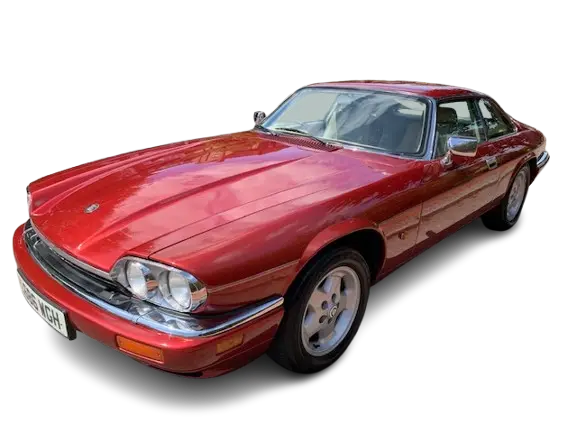
Aston Martin Reliability for Serious Owners

A well-kept Aston Martin should feel special every time the key is turned, not like a gamble before a Sunday drive. Aston Martin reliability is often judged too harshly because these are hand-finished performance cars that are frequently bought for occasional use, then neglected between outings. The better question is not whether an Aston Martin is reliable in the mass-market sense, but whether the individual car has been maintained to the standard its engineering requires.
For an owner or prospective buyer, that distinction matters. A properly serviced DB9, V8 Vantage, Vanquish, or DB7 can be an immensely rewarding and dependable grand tourer. A cheaper example with missing invoices, tired batteries, overdue fluids, and unresolved warning lights can quickly become expensive. Condition, maintenance history, and specialist knowledge will always matter more than the badge on the hood.
Is Aston Martin Reliability Good?
Aston Martin reliability is best described as maintenance-dependent. These cars were designed for high-speed touring, strong performance, and a level of craftsmanship that sets them apart from ordinary luxury vehicles. They are not inherently fragile, but they are less forgiving of deferred maintenance than a conventional sedan.
Many concerns associated with the marque arise from low annual mileage. A car that has covered only a few hundred miles each year may look attractive in an advertisement, yet lack of regular use can cause its own problems. Batteries weaken, seals dry out, brake components corrode, tires age, and fluids deteriorate. An Aston Martin that has been exercised properly and serviced on time is often a safer prospect than a museum-piece car that has spent years standing still.
Owners should also be realistic about running costs. Reliability does not mean inexpensive servicing. Quality parts, skilled labor, and preventative attention are all part of responsible ownership. The reward is a car that retains the character, performance, and presentation that made it desirable in the first place.
Why Service History Matters More Than Mileage
When assessing a used Aston Martin, a complete service file is one of the strongest signs of a well-cared-for car. Look beyond the service book stamps. Supporting invoices reveal what work has actually been completed, which specialist carried it out, and whether recurring advisories were addressed properly.
Regular oil changes are fundamental, but they are only part of the picture. Transmission servicing, cooling-system inspection, brake-fluid changes, spark plugs, accessory belts, suspension checks, and battery management all deserve attention. On V12 cars in particular, overlooking routine work can turn a manageable service item into a much larger repair.
A good history should make sense with the car's mileage and age. If a vehicle has covered very low mileage, ask whether it has still received annual inspections and fluid changes. If it has higher mileage, that is not necessarily a concern if the owner has invested in the chassis, drivetrain, and electrical system along the way. A high-mileage car with evidence of thoughtful ownership may be a far better purchase than a low-mileage car that has been ignored.
Common Aston Martin Reliability Concerns
The exact issues vary by model and era, but a few areas deserve close attention during ownership and before purchase.
Electrical systems and battery condition
Modern Aston Martins carry a considerable amount of electronic equipment, from climate control and infotainment to modules that manage security, transmission functions, and dashboard displays. Weak batteries can trigger a surprising number of warning messages and apparent faults. Before assuming the worst, a specialist should confirm the charging system, battery condition, and any stored fault codes.
Battery maintenance is particularly important for cars used seasonally. A quality conditioner, correctly fitted and used according to the vehicle's requirements, is a sensible investment. It is a small measure that can prevent inconvenience and protect expensive electronic components.
Cooling, ignition, and routine engine care
Aston Martin V8 and V12 engines are capable units, but heat management and regular servicing are essential. Cooling-system components, hoses, radiators, thermostats, and fans should be inspected as the car ages. Any sign of overheating, coolant loss, misfires, or rough running should be investigated promptly rather than left for the next service.
Ignition coils and spark plugs are normal maintenance considerations on higher-mileage or older cars. A misfire may be a straightforward repair when identified early, but continued use can cause further problems. The same principle applies to oil leaks, worn engine mounts, and vacuum-related faults: early attention is generally less costly than delayed action.
Gearboxes, clutches, and driveline behavior
Transmission type makes a meaningful difference to ownership. Conventional automatic gearboxes in models such as many DB9s can be very durable when serviced correctly, but neglected fluid changes may shorten their life. Manual cars offer a particularly engaging experience, though clutch wear should be assessed carefully, especially where the car has spent time in heavy traffic.
Automated manual systems, including Sportshift applications, require informed inspection and calibration. Their operation can feel different from a modern dual-clutch transmission, and a hesitant shift is not always evidence of failure. However, clutch condition, actuator operation, software setup, and service records should all be checked by someone familiar with the system. Buying without that knowledge can lead to incorrect diagnosis and unnecessary expense.
Suspension, brakes, and tires
Aston Martins are built to cover distance at speed, so worn suspension components can spoil the entire experience. Listen for knocks, inspect bushings and dampers, and make sure the vehicle tracks straight under braking. Adaptive damping systems, where fitted, should be tested across their settings.
Brake discs and pads should be examined for corrosion as well as remaining material. Cars that sit unused may develop surface corrosion or sticking calipers, even if their mileage is low. Tires also deserve more than a quick tread-depth check. Their age, sidewall condition, and specification matter, particularly on a high-performance car where the chassis was engineered around the correct rubber.
Reliability by Model Era
Older Aston Martins bring different considerations from later Gaydon-era cars. A DB7 may require more age-related restoration work, including careful attention to corrosion, trim, electrical repairs, and model-specific mechanical items. The attraction is clear: these cars have a distinctive place in Aston Martin history and offer genuine character when correctly sorted.
The V8 Vantage, introduced in the mid-2000s, remains one of the more approachable Aston Martin ownership propositions. It is compact, handsome, and rewarding to drive, but it still benefits from a specialist inspection of clutch condition, suspension wear, cooling components, and service records. Later 4.7-liter cars offer additional performance, while earlier 4.3-liter examples can represent strong value when their history is right.
DB9 and DBS models provide the occasion many buyers want from a V12 Aston Martin. Their engines and overall construction can deliver satisfying long-term ownership, provided routine maintenance has not been postponed. A clean inspection report, evidence of proper servicing, and a car that drives correctly are worth far more than a superficially low purchase price.
The lesson across every era is consistent: buy the best-maintained example available, not simply the newest or least expensive one.
How to Improve Aston Martin Ownership Reliability
The strongest reliability strategy begins before purchase. A pre-purchase inspection by an experienced Aston Martin specialist can identify leaks, fault codes, worn components, poor previous repairs, accident damage, and upcoming maintenance. It also gives a buyer a realistic view of ownership costs rather than relying on a seller's description alone.
Once purchased, use the car. Gentle, regular mileage allows the engine to reach temperature, keeps seals conditioned, exercises the brakes, and reveals small issues before they become serious. Store it in a dry environment, keep the battery maintained, and avoid postponing work simply because the car still drives.
Choose the workshop carefully. These cars reward technicians who understand their systems, parts requirements, and model-specific characteristics. A general garage may be capable of routine work, but specialist experience can save money where diagnosis, restoration, or complex repair is involved. Correct parts and thoughtful workmanship also help preserve resale value and the integrity of the car.
Tedella Ltd brings more than 25 years of hands-on experience with prestige British vehicles, offering owners in North London, Hertfordshire, and the surrounding area a knowledgeable source for repairs, refurbishment, restoration, and specialist guidance. Pickup can be arranged when a vehicle needs professional attention.
The right Aston Martin should never be treated as a disposable luxury purchase. Give it the care its craftsmanship deserves, address small concerns early, and it can remain a dependable source of pride long after ordinary cars have been forgotten.