Are Aston Martins Collectible? A Buyer's View
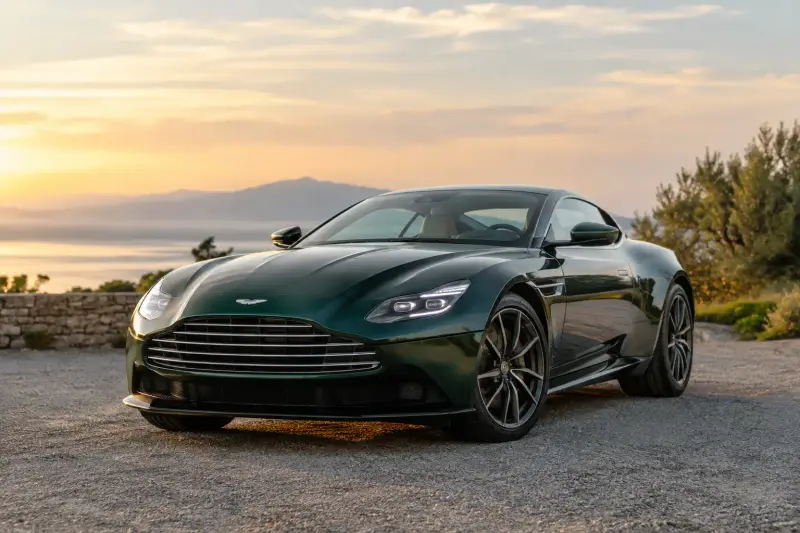
An Aston Martin can make an ordinary garage feel rather more significant. But the winged badge alone does not guarantee collector status, easy ownership, or future appreciation. Are Aston Martins collectible? Many certainly are, but the answer rests on the individual model, its specification, its condition, and the standard of care it has received.
For a buyer who values British craftsmanship and proper driving character, Aston Martin offers a compelling route into modern classic ownership. The best examples combine handsome design, limited production, strong engineering identity, and an occasion that few contemporary cars can match. The wrong example, however, can turn a promising purchase into a lengthy restoration bill.
Are Aston Martins Collectible? The Short Answer
Yes, Aston Martins are collectible, particularly cars with a clear place in the marque's history, desirable engines or transmissions, original presentation, and documented maintenance. Older DB models, V8 cars, Virage variants, Vanquish models, and well-specified V8 Vantage and DB9 examples all attract serious interest for different reasons.
Collectibility is not the same as rarity. A car can be scarce because few buyers wanted it when new, or because many have deteriorated. Neither point automatically makes it desirable. Collectors usually look for a convincing combination of design, provenance, usability, and confidence that the car can be maintained correctly.
This is why a superb, regularly exercised DB9 with a full history can be a stronger long-term proposition than a neglected low-mileage example that has spent years sitting idle. Mechanical systems, seals, tires, batteries, and electronics all suffer when a car is stored without proper attention.
What Makes an Aston Martin Worth Collecting?
Aston Martin has always sold more than transport. Its appeal comes from the balance of hand-finished detail, performance, proportion, and an unmistakably British sense of occasion. Yet buyers should assess the factors behind the appeal rather than purchase on emotion alone.
Model significance and production era
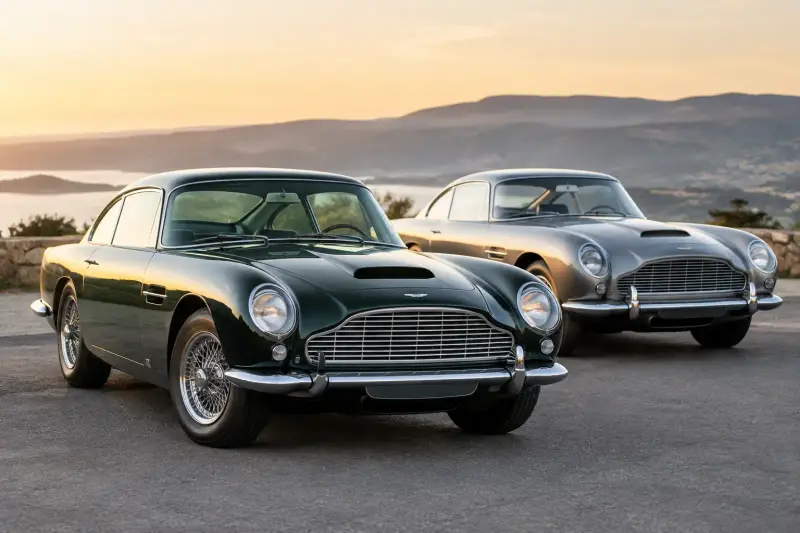
The most sought-after cars usually represent a meaningful chapter for Aston Martin. Early DB cars have enduring historical importance. The V8 models of the 1970s and 1980s offer muscular character and a loyal following. Cars from the Ford-era revival, including the DB7, DB9, Vanquish, and V8 Vantage, remain accessible routes into ownership and are increasingly viewed as modern classics.
A manual transmission often adds desirability, especially in cars originally offered with both manual and automatic gearboxes. A manual V8 Vantage, for example, appeals to enthusiasts who want a more involving drive. That does not make an automatic car undesirable. An automatic DB9 or Vanquish suits the grand touring brief perfectly, and condition will always matter more than chasing a single headline specification.
Specification and originality
Factory colors, interior trim, wheel design, and optional equipment can materially affect appeal. Traditional colors such as dark green, silver, blue, black, and certain period-correct grays tend to have broad market acceptance, while a well-chosen special-order color may appeal strongly to the right buyer.
Originality deserves careful thought. Sensible improvements that improve reliability or safety may be welcome when properly documented. Poorly executed modifications, non-original trim, incorrect wheels, or cosmetic alterations that date the car can narrow its audience. If originality has been compromised, the price should reflect it.
Provenance and service history
A thick folder of invoices does more than reassure a future buyer. It shows whether the car has been owned with care. Look for regular servicing, evidence of specialist knowledge, records of preventive work, and invoices for known age-related items rather than just annual oil changes.
A stamped service book is useful, but supporting invoices are better. They reveal who carried out the work and whether substantial jobs were completed thoroughly. The history should also support the mileage. Gaps, unexplained periods off the road, and repeated advisories deserve questions before a purchase is agreed.
The Models Buyers Commonly Consider
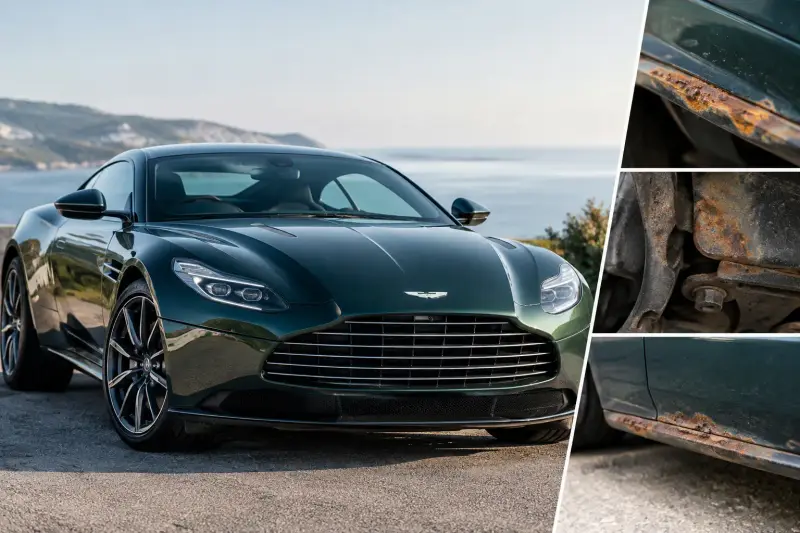
The DB7 is widely regarded as one of the cars that returned Aston Martin to wider prominence. It remains elegant, relatively compact, and available with six-cylinder and V12 power. A well-maintained example can be an enjoyable entry point, but buyers should inspect carefully for corrosion, tired suspension, electrical faults, and deferred maintenance.
The DB9 has the proportions many people picture when they think of a modern Aston Martin. Its V12, cabin, and grand touring manners give it lasting appeal. Values have made many DB9s tempting, but inexpensive purchase prices should never be mistaken for inexpensive ownership. Cooling systems, brakes, suspension, transmission behavior, electrical equipment, and body condition must all be assessed.
The first-generation V8 Vantage is a particularly persuasive modern classic. It is smaller and more sporting than the DB9, with a naturally aspirated V8 and a design that has aged exceptionally well. Manual cars command attention, while Sportshift cars need a careful road test and evidence of correct clutch and gearbox maintenance.
The Vanquish carries obvious collector presence, especially early cars and later S variants. It is a dramatic flagship with strong visual identity, but its complexity means inspection by a knowledgeable specialist is essential. Transmission operation, electrical systems, hydraulic components, and the quality of past repairs all matter.
Older V8 Astons, including the V8 Vantage and Virage family, appeal to buyers who favor stronger mechanical character and more traditional construction. These cars can be highly rewarding, though restoration standards vary enormously. Structural corrosion, coachwork quality, interior work, and parts availability should be considered as seriously as the engine.
Condition Can Matter More Than Mileage
Low mileage is attractive, but it is not a substitute for condition. A 20-year-old car that has covered very few miles may need major recommissioning. Fluids degrade, rubber hardens, fuel systems can suffer, and moisture can cause corrosion in places that are not obvious on a quick viewing.
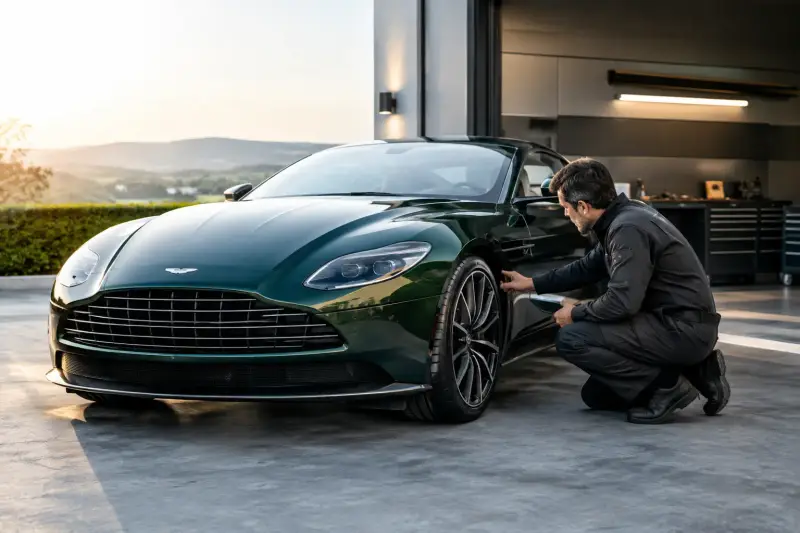
Conversely, a car used regularly and maintained by specialists can be a more dependable prospect. The ideal is a sensible mileage supported by a consistent record of care. Examine the underside, wheel arches, panel fit, paint finish, cabin wear, roof operation on convertibles, and all electrical functions. A pre-purchase inspection is not an optional extra on a prestige car. It is part of buying correctly.
Be especially alert to cosmetic presentation that masks deeper issues. Fresh detailing, polished paint, and a clean engine bay are pleasant, but they do not prove a car is mechanically sound. A trusted inspection should include diagnostic checks, a cold start, a proper road test, and a review of likely upcoming maintenance.
Ownership Costs and the Reality of Value
Aston Martin ownership rewards a buyer who budgets properly. These cars were expensive when new, and their parts, specialist labor, tires, brakes, and bodywork still reflect that level of engineering. A lower purchase price can leave room for maintenance, but it should not encourage compromise on the condition of the car.
The strongest collectible examples often cost more at the outset because previous owners have already addressed the expensive work. That can represent better value than buying the cheapest car available and trying to restore it in stages. Restoration is worthwhile when the starting car has the right fundamentals, but it rarely makes financial sense to rescue a poor example simply because the asking price was tempting.
Insurance, secure storage, regular use, and proper servicing should all form part of the ownership plan. A collectible Aston Martin is best treated as a car to preserve and enjoy, not a financial instrument. Market values can rise and fall, while the pleasure of owning the right car is immediate.
Buying With a Long-Term View
Before choosing a model, decide what you want from the car. A collector seeking period significance may favor an earlier V8 or DB model. A driver who wants weekend touring comfort may prefer a DB9. Someone who values a more compact, engaging experience may be drawn to a V8 Vantage. There is no single correct Aston Martin, only the right one for the intended use and budget.
At Tedella Ltd, more than 25 years of hands-on experience informs every view of condition, restoration potential, and genuine value. Whether sourcing a car, considering a part exchange, or preserving an Aston Martin already in your care, the aim should be the same: buy well, maintain properly, and protect the qualities that made the car special in the first place.
The best Aston Martin to collect is rarely the cheapest, the shiniest, or the rarest on paper. It is the example with honest history, sound fundamentals, and an owner prepared to give it the specialist attention it deserves.